Make a confident choice for your home, your comfort, and your budget.
Before you approve the work, understand what the repair solves and how it compares with replacement.
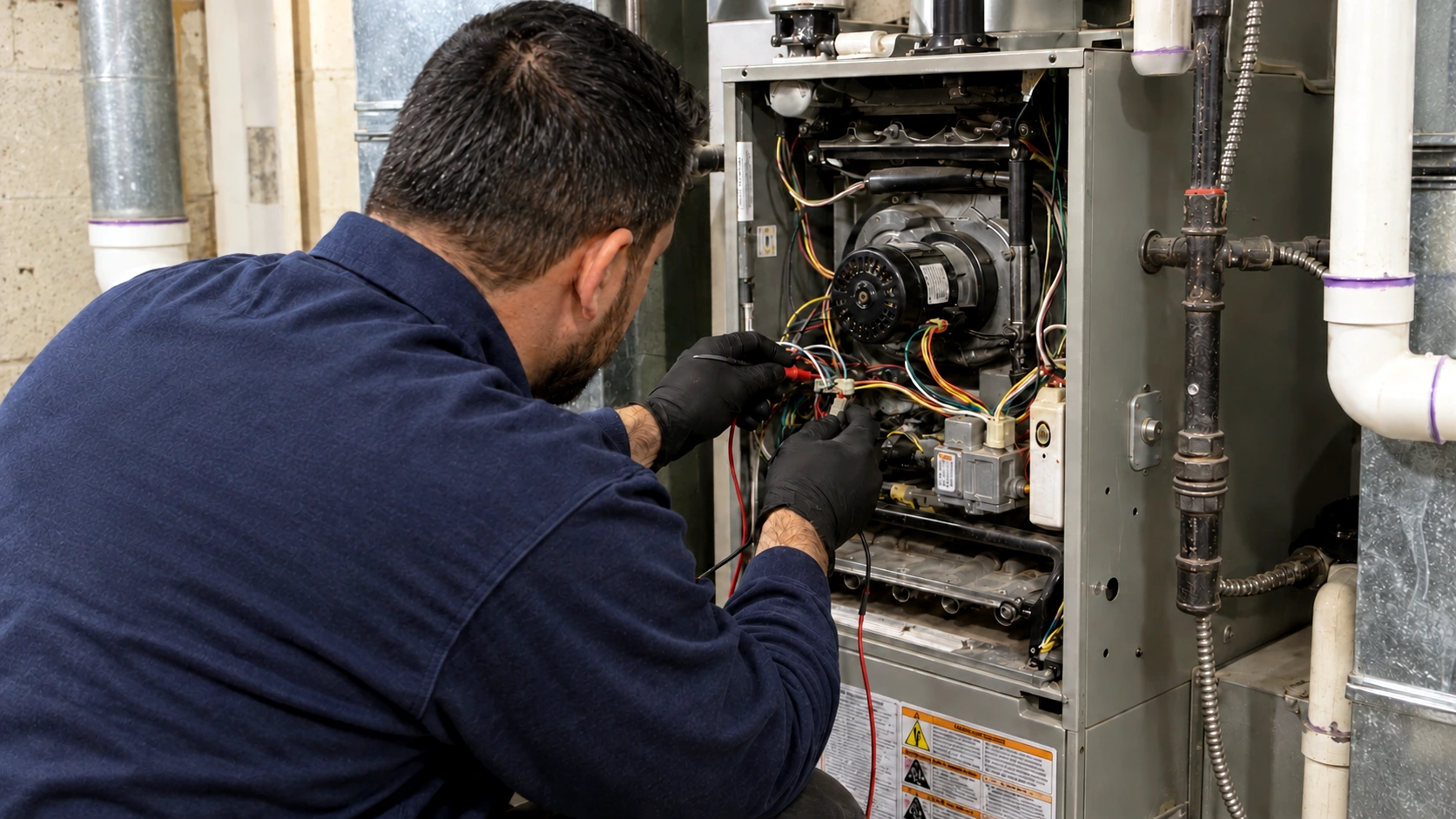
The technician has identified the problem, and the repair estimate is higher than you expected. Now you have another decision: invest more in your existing furnace or start comparing furnace replacement options.
For Tulsa-area homeowners, that decision can feel especially difficult when the house is cold, and you need an answer quickly. You may be wondering whether the repair will restore dependable heat, whether another breakdown is around the corner, or whether you need a replacement right now.
A costly furnace repair deserves a clear explanation. The price matters, but so do the diagnosis, equipment condition, warranty coverage, and what each option includes.
Mark Hill Heating & Air provides heating repair, installation, and replacement for Tulsa-area homeowners. If you are weighing a major repair, start by assessing the existing system and reviewing written options you can compare.
Should You Repair or Replace Your Furnace?
Repair may be reasonable when the fault is isolated, the furnace is otherwise serviceable, and the work offers practical value. Consider replacement when the proposed repair is substantial, and the system has recurring failures, deteriorating components, or unresolved performance concerns.
Neither age alone nor the size of a single bill tells the whole story. An older furnace with one repairable fault presents a different decision from equipment that has needed several unrelated repairs in a short period.
Before approving either option, ask the technician to explain what failed, what the proposed work addresses, and what is known about the rest of the system.
Start With the Diagnosis, Not the Sales Estimate
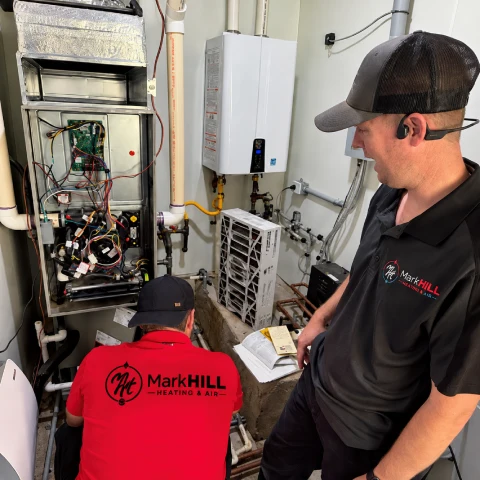
If someone tells you the furnace needs an expensive component, ask how they confirmed the problem. The goal is to understand the recommendation in plain language, not to diagnose the equipment yourself.
Useful questions include:
- Which component failed, and what testing supports that diagnosis?
- Is this an isolated failure or part of a larger problem?
- Does the estimate include everything needed to restore operation?
- Are other repairs already known to be necessary?
- Is the equipment safe to operate while I consider my options?
Ask the provider to separate confirmed findings from possibilities. A technician may identify wear but can’t predict exactly when another component will fail. Understand that distinction before treating a possible future problem as an immediate replacement requirement.
Consider the Condition of the Whole Furnace
A repair estimate focuses on a specific problem. Your decision should also consider the surrounding equipment.
Ask about the condition of the major components, evidence of deterioration, previous modifications, and any operating concerns identified during the evaluation. Where relevant, request an explanation of the combustion and safety findings.
If the provider identifies a safety concern, ask that they document it and follow the provided operating instructions. Do not restart equipment that has been shut down as unsafe while comparing prices.
The question is not simply whether a component can be replaced. It is whether that repair makes sense in the context of the system you will continue to rely on.
Review Your Repair History Without Letting Past Spending Decide Everything
Collect the invoices from previous service calls. Have you paid for one repair over several years, or have you had repeated breakdowns with only short periods of dependable operation between them?
A useful history includes the date, diagnosis, work performed, and any recurring symptoms. Several visits for the same unresolved complaint call for a different conversation from several unrelated repairs.
You can’t recover money already spent by keeping the furnace. Focus on the choices available now: the current repair cost, known remaining concerns, and the replacement alternative. Previous invoices provide context, but they don’t obligate you to keep repairing the system.
Check Warranty Coverage Before Comparing the Totals
Ask whether the failed part is covered under an existing warranty and what costs you remain responsible for. Parts coverage does not necessarily include diagnostic charges, labor, shipping, or related materials.
Have the equipment model and serial number available, along with registration or installation records if you have them. Let the contractor verify the applicable coverage rather than assuming the entire repair is covered or that no coverage remains.
For the proposed repair, ask about the warranty on both the replacement part and the labor. For new equipment, request the written warranty terms, registration requirements, and any conditions affecting coverage.
Compare the actual out-of-pocket repair total with the installed replacement total. An advertised equipment warranty or starting price is not enough for a fair comparison.
Compare Written Furnace Repair and Replacement Scopes
The two options should be detailed enough that you know what you are approving.
| Ask about | Repair option | Replacement option |
|---|---|---|
| Included work | Parts, labor, diagnosis, and related repairs | Equipment, installation, removal, and required modifications |
| Existing concerns | What remains unresolved after repair | Which concerns the new installation addresses |
| Warranty | Coverage for the part and labor | Equipment and installation coverage, with conditions |
| Timing | Parts availability and expected completion | Equipment availability and installation schedule |
| Final cost | Complete repair total and exclusions | Complete installed total and exclusions |
For replacement, ask whether the scope includes any needed changes to venting, electrical connections, controls, drainage, or duct connections. Clarify responsibility for required permits and inspections where applicable.
If your home has uneven temperatures or airflow problems, ask how they’ll evaluate those concerns. Replacing the furnace alone may not resolve a problem elsewhere in the system.
Be Careful With Simple Furnace Repair-or-Replace Formulas
You may encounter rules based on furnace age multiplied by repair cost or a repair reaching a particular percentage of replacement cost. These can prompt a useful discussion, but they leave out important details.
A formula cannot confirm equipment safety, verify warranty coverage, identify an underlying airflow problem, or tell you whether the replacement quote includes all necessary work.
Instead of asking whether the estimate crosses a universal cutoff, ask: “What do I get for this repair, what concerns remain, and what would replacement change?”
Consider Comfort and Operating Costs Realistically
Tell the contractor if the furnace struggled to heat the house before it broke down. Mention cold rooms, unusual noise, repeated thermostat adjustments, and changes in household use.
If a replacement proposal includes energy savings, ask what assumptions support the estimate. Actual costs depend on utility rates, weather, thermostat settings, installation, and the home itself. Higher efficiency does not establish a guaranteed payback period.
Your plans matter, too. A homeowner expecting a major renovation may need a different equipment discussion from someone planning to maintain the current layout. Share those plans before selecting a replacement system.
Do You Also Have to Replace the Air Conditioner?
A furnace replacement does not automatically require replacing the outdoor air conditioner. However, you should review compatibility, the indoor coil, controls, available space, and the condition of the remaining equipment.
Ask for an explanation of which components can remain and why. If a complete system is recommended, request the reasons and a clear description of the alternatives. Compare the scope of each option rather than assuming every quote includes the same equipment.
What If Furnace Replacement Doesn’t Fit Your Budget?
Ask for written pricing before comparing payment options. Financing can change the payment schedule, but the purchase price, interest rate, fees, promotional terms, and total repayment still matter.
Mark Hill offers financing options for qualified projects, subject to approval and the provider’s terms. Ask the team about current options and review the details before deciding.
If repair is being considered as a shorter-term solution, be clear about that goal. Ask what the repair addresses and whether known concerns remain. No repair can guarantee that an aging system will operate for a specific number of additional years.
When Is a Second Opinion Worth Considering?
Consider another assessment when the diagnosis is unclear, a major replacement recommendation lacks supporting details, or the proposed work is difficult to understand.
Share the original estimate, repair history, and any documented findings with the second provider. Another inspection may involve a diagnostic fee, so ask about that when scheduling.
A second opinion is most useful when it clarifies the condition and options. A lower price alone doesn’t prove two contractors are recommending equivalent work.
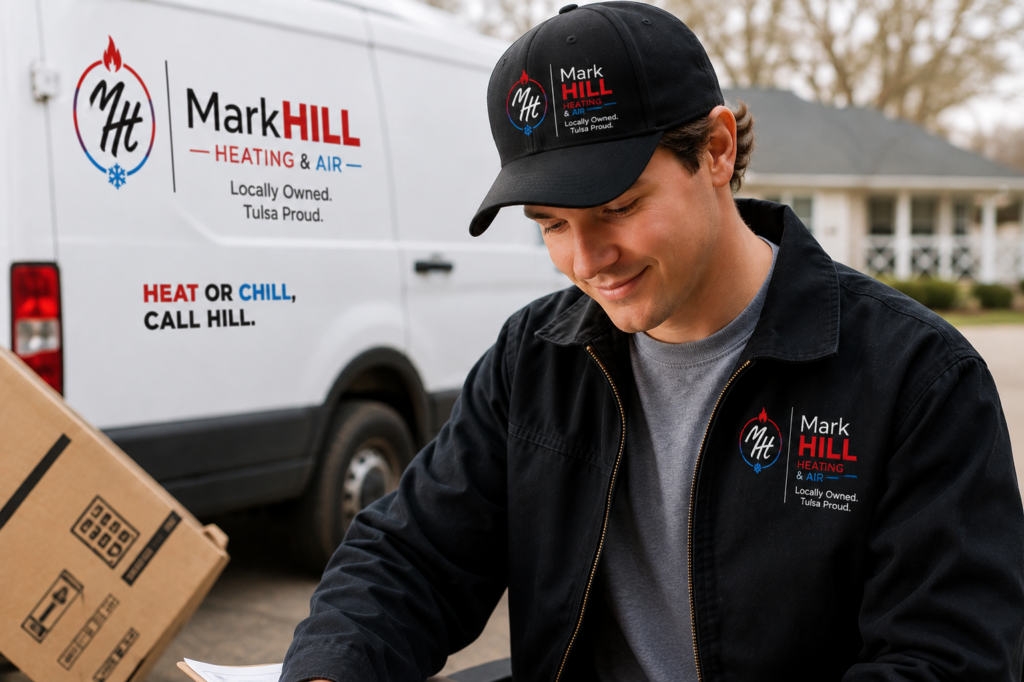
Talk Through Your Furnace Options With Mark Hill
You should understand a major furnace recommendation before committing. Whether repair is practical or replacement deserves a closer look, the next step is an evaluation tied to your equipment, home, and priorities.
Mark Hill Heating & Air serves homeowners in Tulsa, Broken Arrow, Bixby, Jenks, Owasso, and surrounding communities. Have your repair estimate, equipment information, and previous service records ready when contacting the team.
Call (918) 258-8855 or schedule a heating assessment to discuss your furnace repair and replacement options.
Heat or Chill, Call Hill.
Frequently Asked Questions About Furnace Repair vs. Replacement
Is an expensive furnace repair worth it?
A major repair may be worthwhile when the problem is isolated, the rest of the furnace is in good condition, and the work can restore dependable operation at a reasonable cost. Before approving it, ask about warranty coverage, other known problems, and how the total repair cost compares with a new installed unit.
How old should a furnace be before I consider replacing it?
Age is one consideration, but it shouldn’t determine the decision on its own. An older, reliable furnace may still be worth repairing. Consider replacement more closely when age is accompanied by repeated breakdowns, deteriorating components, limited parts availability, or ongoing comfort problems.
Is there a dollar amount above which I should replace my furnace?
No single repair price makes replacement the right choice for every home. Compare the proposed repair with the furnace’s overall condition, remaining warranty coverage, repair history, and the complete replacement estimate. Simple price formulas leave out details that can change the recommendation.
Should I get a second opinion before replacing my furnace?
A second opinion can be helpful when you receive a major repair estimate or replacement recommendation without a clear explanation of the findings. Share the original diagnosis and service records with the second contractor, and ask about diagnostic fees when scheduling. If the furnace has been shut down as unsafe, leave it off while arranging another assessment.
Does a furnace warranty cover repair labor?
Some warranties cover eligible replacement parts but exclude labor, diagnostic charges, shipping, or related materials. Coverage depends on the specific warranty and its conditions. Ask the contractor to verify what is covered and provide your total out-of-pocket cost before authorizing the repair.
Do I need to replace my air conditioner when replacing my furnace?
Not necessarily. It depends on the compatibility and condition of the existing air conditioner, indoor coil, controls, and other system components. Ask why they’re recommending additional equipment and whether a furnace-only replacement is practical for your home.
Will a new furnace fix rooms that are always cold?
A new furnace may help if the existing equipment is causing the problem, but uneven temperatures can also involve ductwork, airflow, insulation, or other factors. Tell the contractor about cold rooms before selecting equipment so the replacement proposal addresses the actual comfort concerns.
Can Mark Hill help me compare Tulsa furnace repair and replacement options?
Yes. Mark Hill Heating & Air can evaluate your heating system and explain the available repair and replacement options. Have your existing estimate, equipment information, and previous service records ready. Call (918) 258 -8855 or schedule a heating assessment to discuss your Tulsa-area home comfort needs.